Written by Ananya Desai | Last Updated: April 2026 | Ananya covers Android apps and practical mobile guides based on real device testing.
Disclaimer: This article contains recommendations based on our research and personal experience.
How to Read App Reviews Before Installing Anything on Android
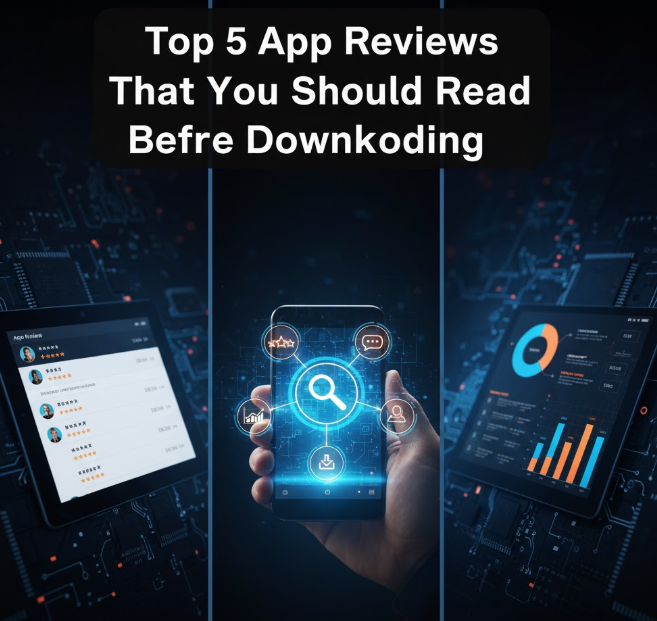
The average Play Store app rating is nearly useless as a quality signal. Apps with 4.7 stars can be full of dark patterns, excessive permissions and aggressive monetisation. Apps with 3.8 stars can be genuinely excellent tools that received negative reviews because they removed a feature users depended on years ago. After installing hundreds of apps and learning how to sort the reliable signals from the noise, here is a practical system for evaluating any app before it goes on your phone.
Why Play Store Ratings Are Unreliable
Play Store ratings are manipulated in several consistent ways. Developers prompt satisfied users to rate the app immediately after a successful action, selecting for positive ratings from users who just had a good experience. Apps with large user bases accumulate ratings over years meaning a high overall rating may reflect a much better product from three years ago than the current version. Pre-installed apps get ratings from people who never chose to install them and rate based on the existence of the app rather than its quality.
Review bombing (coordinated negative reviews from users unhappy about a policy change) distorts ratings in the other direction. An app with a 3.5 rating that was at 4.5 six months ago before a controversial update is a very different situation from an app that has been at 3.5 for three years.
The Right Way to Read App Reviews
Step 1: Sort by Most Recent, Not Most Helpful
The Most Helpful sort shows you reviews that got the most upvotes, which are usually older reviews from when the app was in a different state. Sort by Most Recent and read the last 20 to 30 reviews. If the app has gotten worse recently, recent reviewers will say so explicitly. If recent reviews are consistently positive the app has maintained or improved quality.
Step 2: Read the 2 and 3 Star Reviews
5 star reviews are often written by happy casual users who say it is great without specifics. 1 star reviews are often written by people who had a single bad experience or disagree with a policy. 2 and 3 star reviews are written by people who have a nuanced view: they used the app enough to form a considered opinion and found specific things that were not quite right. These reviews contain the most actionable information about real limitations.
Step 3: Check the Permissions Screen Before Installing
On the Play Store listing scroll down to the App Permissions section. Compare what the app requests against what it needs to do its job. A flashlight app needing microphone access is a red flag. A note-taking app needing contacts access is a red flag. A game needing precise location is a red flag. These mismatches indicate data collection for advertising or resale rather than functional necessity.
Step 4: Check the Developer Name and History
Tap the developer name on the Play Store listing to see all their other apps. Reputable developers have a consistent catalogue of named apps with long track records. A developer with dozens of apps that are all slight variations of each other (many named things like Super Booster Pro, Ultimate Cleaner 2026, etc.) is operating a volume content farm rather than making quality software. One good app from a named developer with a history is worth more than the same concept from an anonymous factory developer.
Step 5: Search Reddit Before Installing Anything Significant
For any app you plan to use regularly, search “appname reddit” before installing. Reddit discussions in topic-specific communities surface real user experiences that Play Store reviews do not. Privacy concerns, data practices, monetisation complaints and genuine capability assessments are all discussed more honestly in communities where the incentive to inflate the rating does not exist.
Signals That an App Is Worth Installing
Consistent positive recent reviews mentioning specific features. Developer who responds to negative reviews with concrete solutions rather than generic apologies. Long history with regular updates showing the developer is actively maintaining the app. Permissions that match the app’s stated function. Named developer with a small focused catalogue. Clear privacy policy that explains what data is collected and why.
Red Flags That Suggest Avoiding an App
Permissions that have no relationship to the app’s function. Reviews that all sound similar or generic (sign of fake reviews). No recent updates in over a year for an app claiming to be current. Developer with dozens of similar apps. Recent reviews mentioning data use changes, aggressive ads added to previously clean app or subscription requirements for features that were previously free. Privacy policy that does not exist or is a generic boilerplate with no specifics.
Quick App Evaluation Checklist
| Check | What to Look For | Red Flag |
|---|---|---|
| Recent reviews | Consistent quality mentions | Multiple complaints about ads, data, crashes |
| 2-3 star reviews | Specific constructive criticism | Mentions of bait-and-switch features |
| Permissions | Matches the app function | Microphone/contacts for a game or tool |
| Developer history | Small focused quality catalogue | Dozens of similar apps, no clear identity |
| Update frequency | Regular updates in past 6 months | No updates in over a year |
| Reddit check | Community discussion with specifics | Privacy concerns, data selling reports |
Specific App Categories to Be Extra Careful With
Battery and RAM booster apps are almost universally fake or counterproductive. Cleaner apps with dramatic before-and-after graphics are overwhelmingly misleading. Free VPN apps with no clear business model are almost always monetising through data collection. Keyboard apps are high-risk for data collection since they have access to everything you type. Flashlight apps that request extensive permissions beyond camera access have no legitimate justification for those permissions.
The categories worth the most scrutiny are also the most heavily advertised on the Play Store: security apps, cleaner apps, battery savers and VPNs. The genuine useful tools in these categories are well-known (Malwarebytes, Files by Google, ProtonVPN) and the hundreds of competitors in each category are mostly lower quality or actively harmful.
Who Should Use This Guide
Anyone who regularly installs apps from the Play Store and wants a practical system for avoiding bad ones. Parents who want a framework for evaluating apps before allowing their children to install them. Anyone who has had a negative experience with an app they installed based on ratings alone and wants to reduce the chance of that happening again.
Final Verdict
Sort reviews by most recent and check permissions before every install. Those two habits alone eliminate the majority of bad app installs. Add the Reddit search for anything you plan to use regularly and the developer history check for anything security or privacy related. The whole process takes two to three minutes per app and the returns in avoided bad experiences, unnecessary data collection and wasted phone storage are significant over time.
Frequently Asked Questions
Can I trust apps with millions of downloads?
Download count alone is not a reliable quality signal. Some high-download apps are high quality. Others are high-download because of pre-installation on phones, historical viral moments or aggressive marketing rather than product quality. Apply the full checklist regardless of download count.
What should I do if an app I already have requests new permissions in an update?
Check whether the new permission makes sense for any new features the update introduced. If the update adds a location-based feature then location permission makes sense. If there is no clear functional reason for the new permission request the developer is expanding data collection. You can deny the permission and continue using the app to see if core functionality still works without it.
How do I remove an app that already has too many permissions?
Go to Settings then Apps then the app name then Permissions and revoke individual permissions without uninstalling. You can also uninstall the app entirely from the same menu. For pre-installed apps you cannot uninstall you can usually Disable them which stops them running in the background.
Related Guides
For more on this topic read How to Protect Your Privacy on Android in 2026. You may also find Android Apps Most People Have Never Heard Of But Should Try useful. And for a related guide check Android Settings Most People Never Touch But Should in 2026.